We hadn’t had a car to get around in since it time in Spain… It was a new sensation to just get in the car and go. The van at rented ended up being perfect for our family, and the only way we could realistically get way back in the country.

We decided to finish up our celebration of Impressionist art by stopping at Monet’s gardens in Giverny. At this point it was the end of August, so we were well I acquainted with the mixture of tourism crowds and business closings for the conge d’ete. It was definitely high season, but Giverny hadn’t initially been on my must-see list, so I was hoping that it would be a little less crowded than the typical Parisian sights. However, I had learned enough to at least purchase our tickets ahead of time.
The drive out of Paris and into Giverny itself was fun–it was freeing to see the city give way to suburbs and then the wider spaces of the country. There is far more country in France than most people think, I think :). We drove along the Seine through an ancient stone village with one way streets and no one out and about. Once we crossed the river, however, we were in the lush green of the countryside again, and there were definitely people. Lots of people.
We parked and found a little lunch place to grab a quick bite–only here can you find a hot dog stand that serves pretty decently tasty sandwiches and crepes, all set in a overflowing garden with little patio tables and umbrellas. Isaac found a raspberry bush in the riot of plantings and gave us all a little sample. Claire had another nosebleed, not her first bad one of the week. We soldiered on, following Google Maps (bless them) to the entrance of the Gardens. Thanks to our pre-purchased tickets, we were able to avoid the depressingly long line at the main gate, and join the short line at the side entrance.

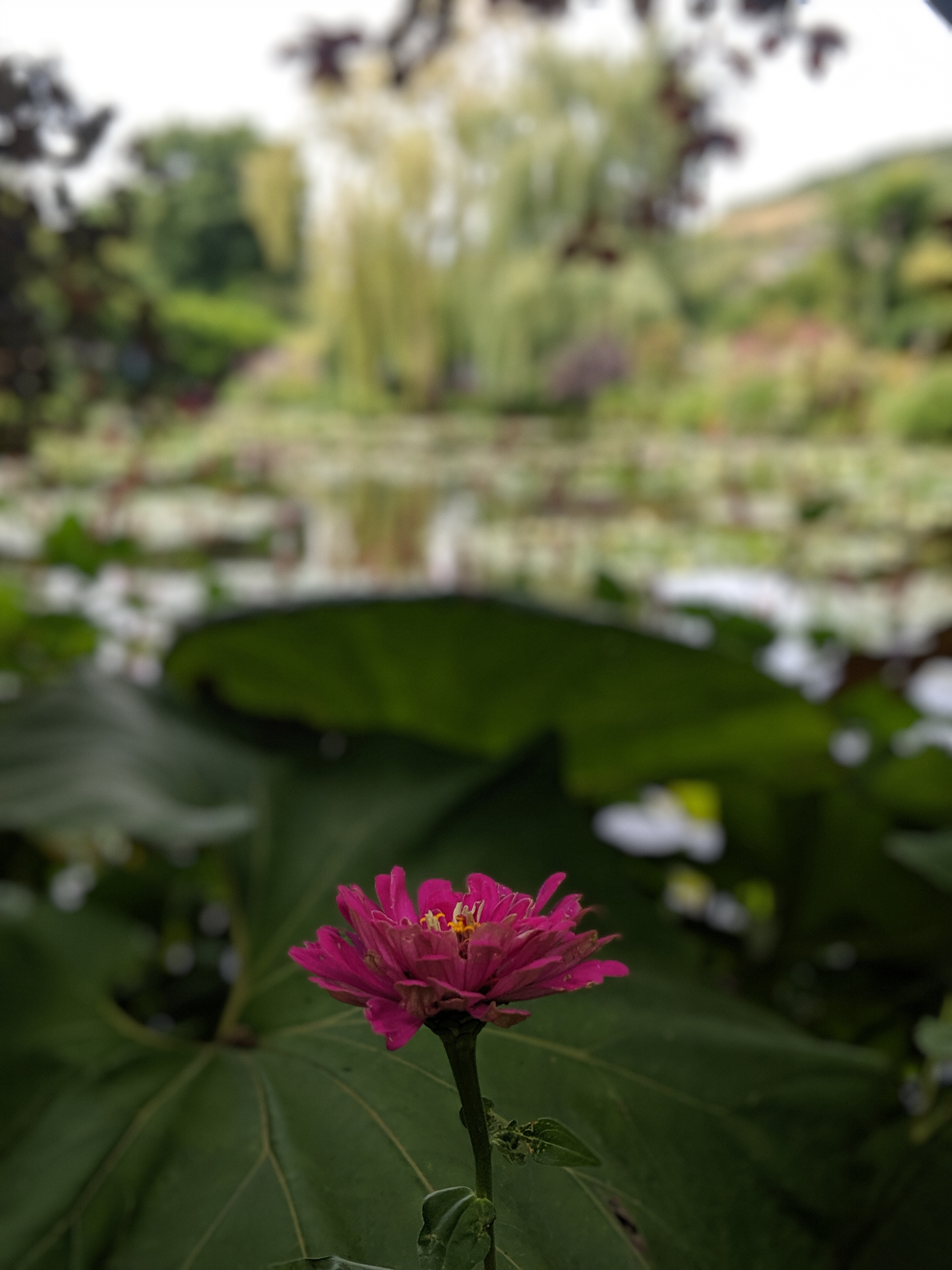
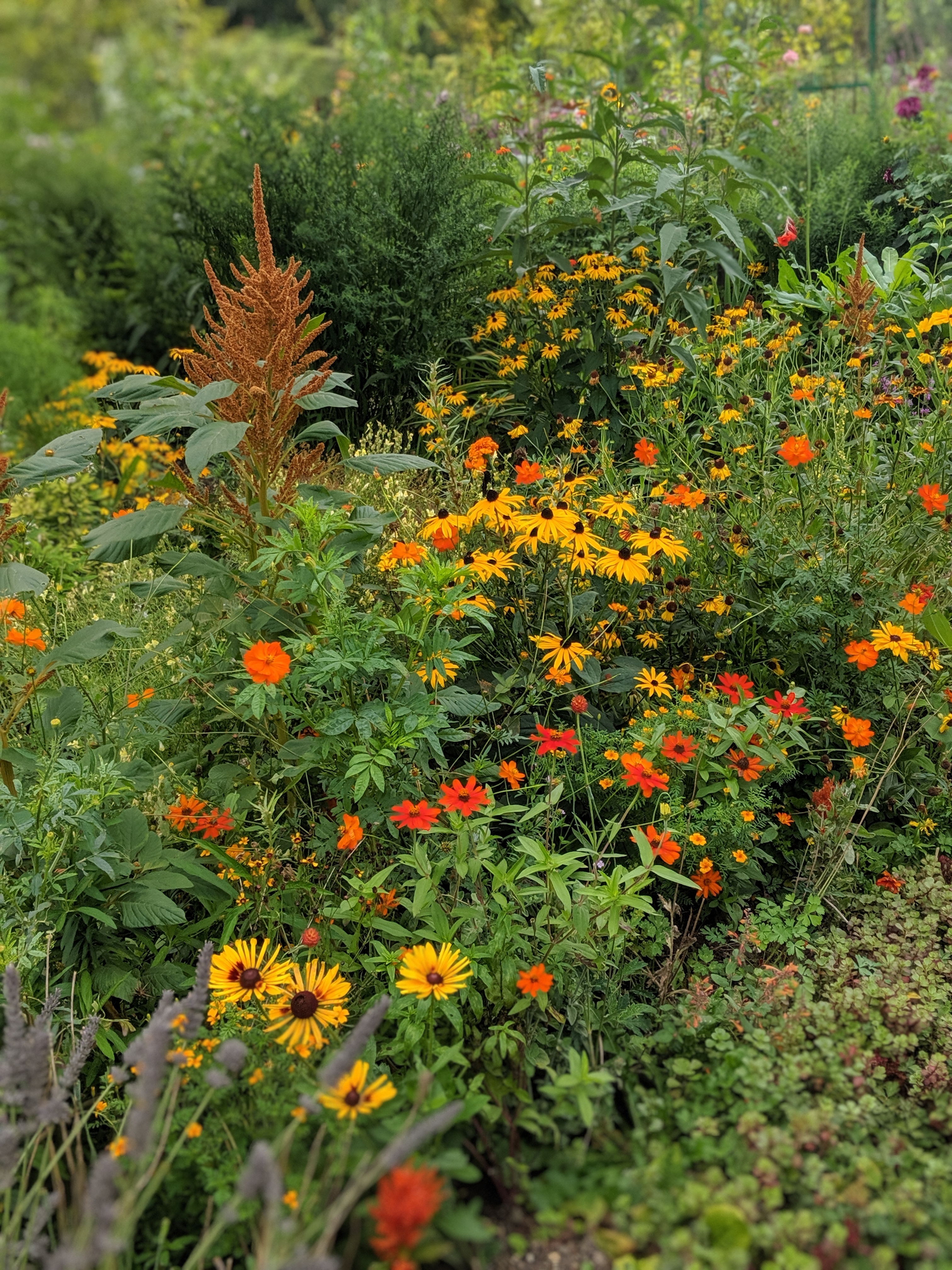
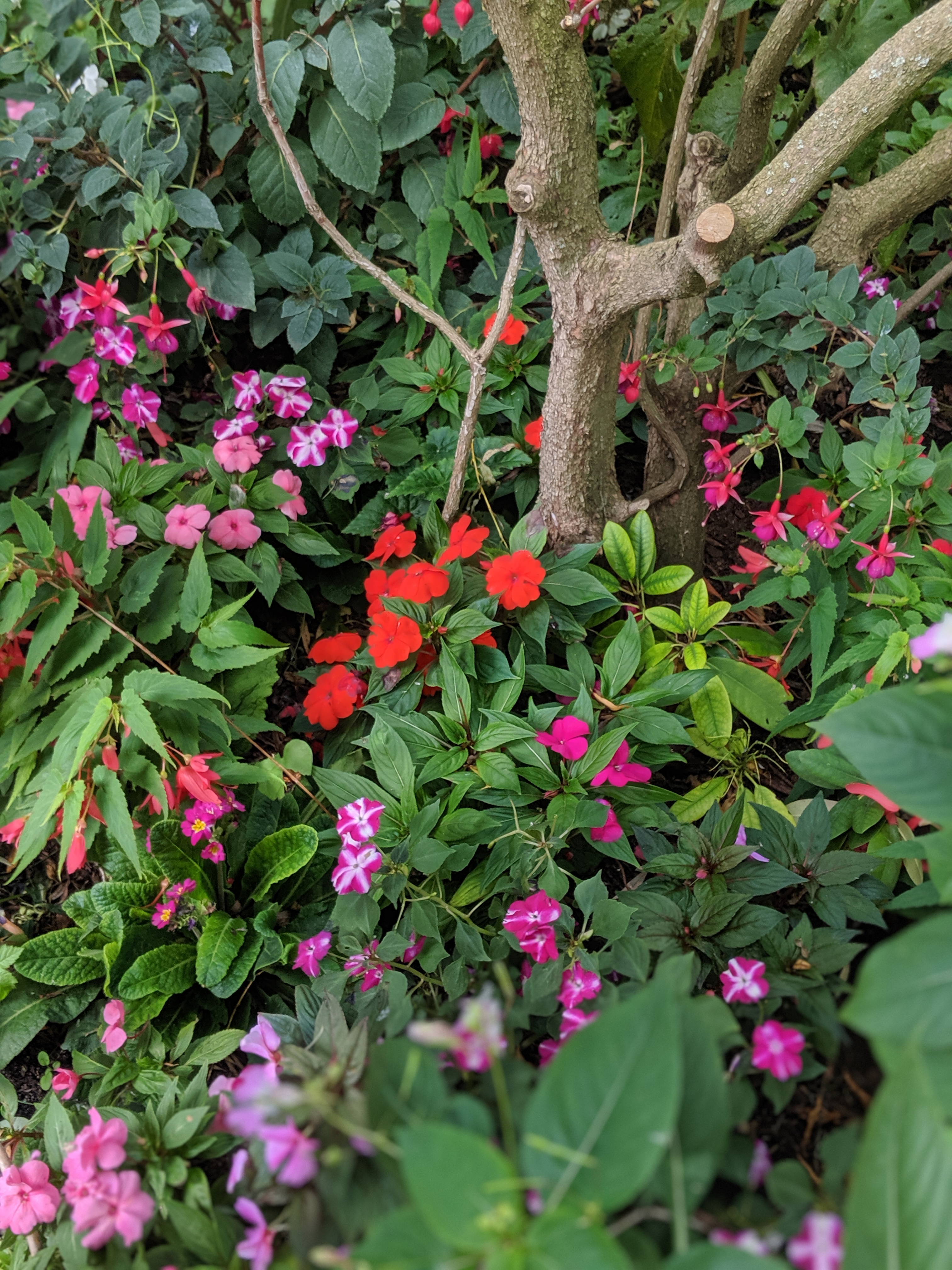
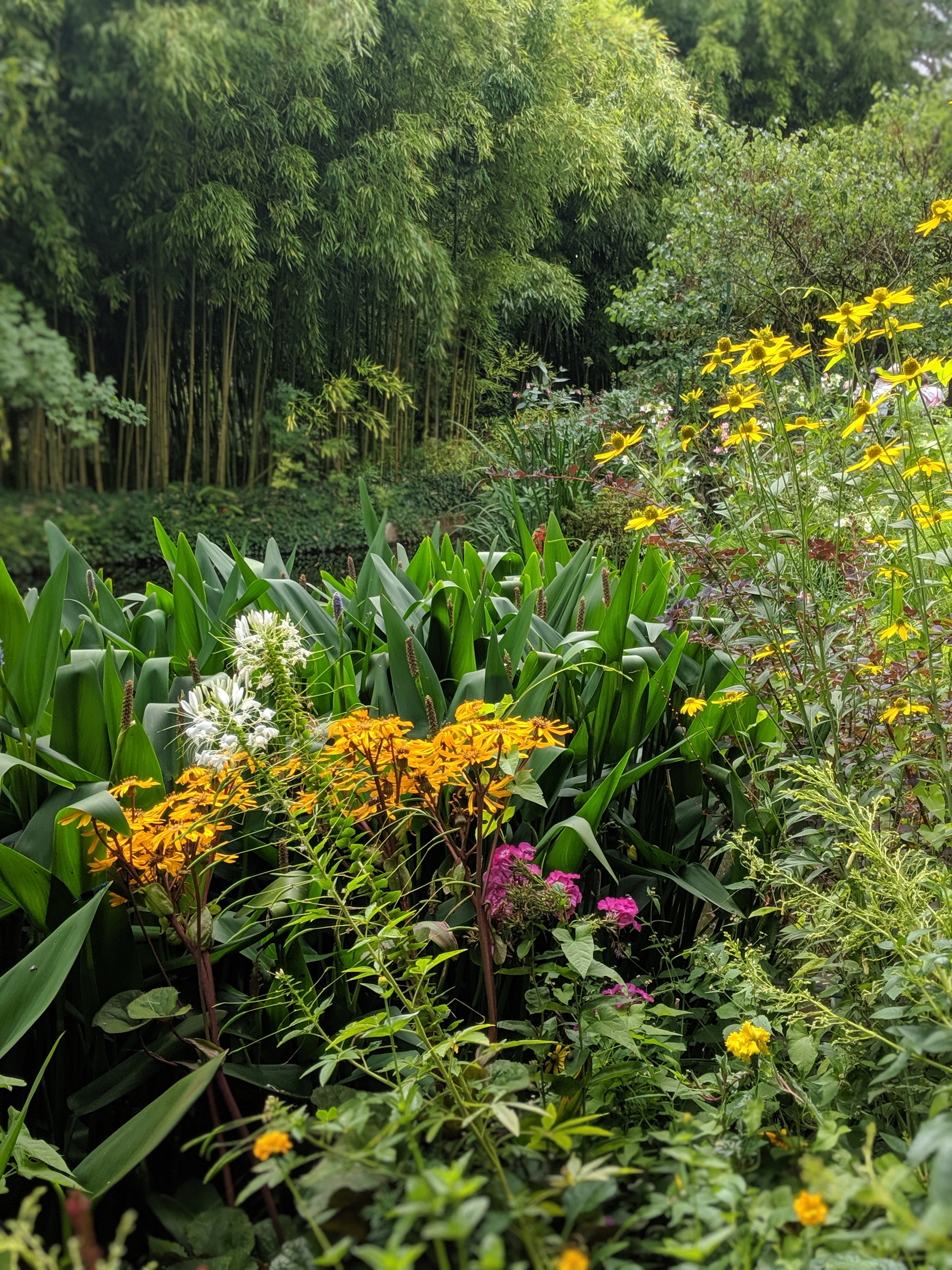
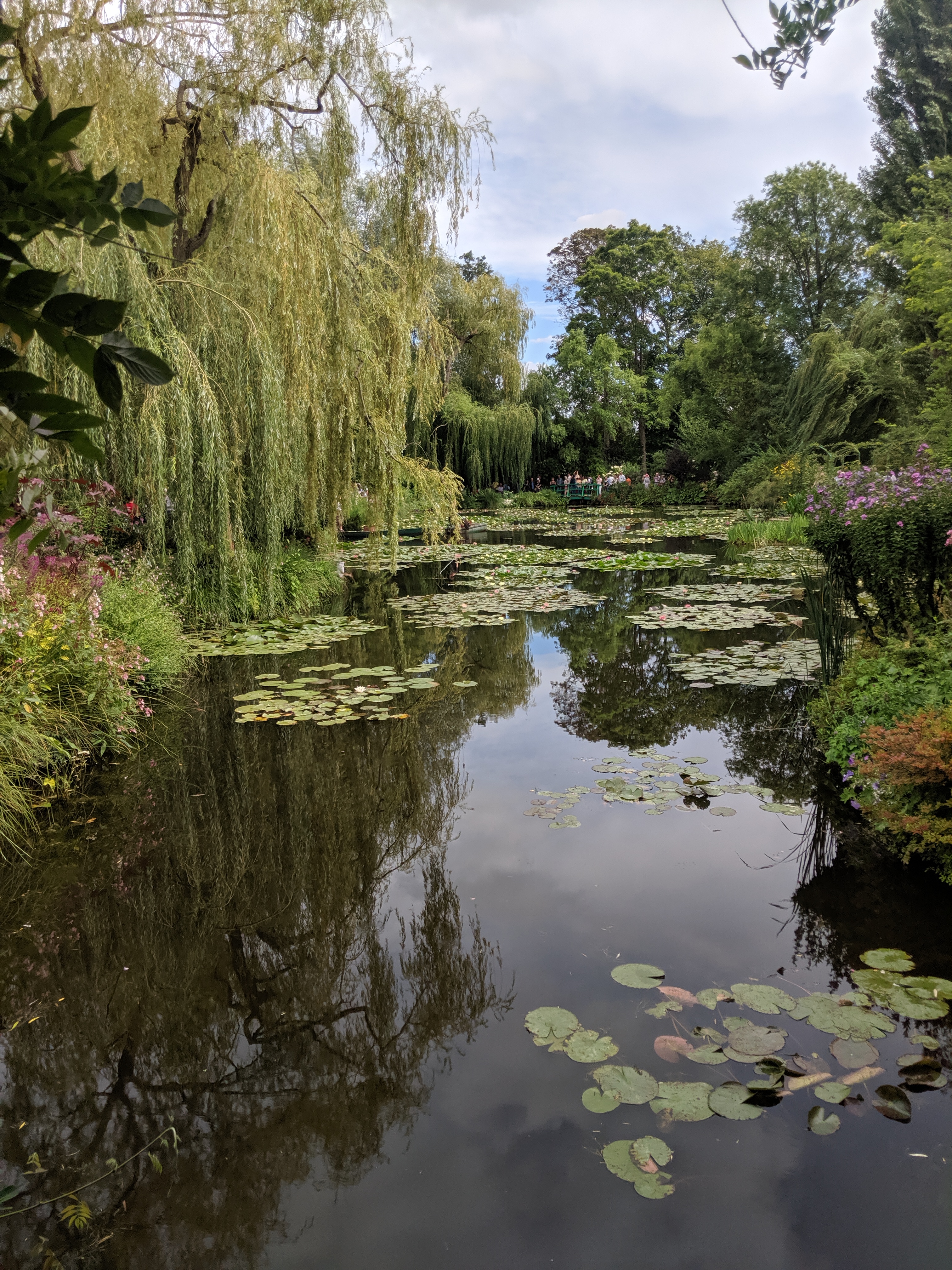
Monet moved to Giverny in his mid-forties after falling in love with the village while standing in the doorway of a passing train. He spent increasing amounts of time in his gardens there, and his paintings focused more and more heavily on the nature he found in his own backyard. To be fair, it is a pretty stunning backyard. The Japanese covered bridge is really there, the water lillies in the pond, the weeping willow and the overeager flowers pushing over the beds, as well as the more structured gardens by the house with the long gravelled walks and flowers arranged by color–all of it a serene celebration of color and summer and light and shade.
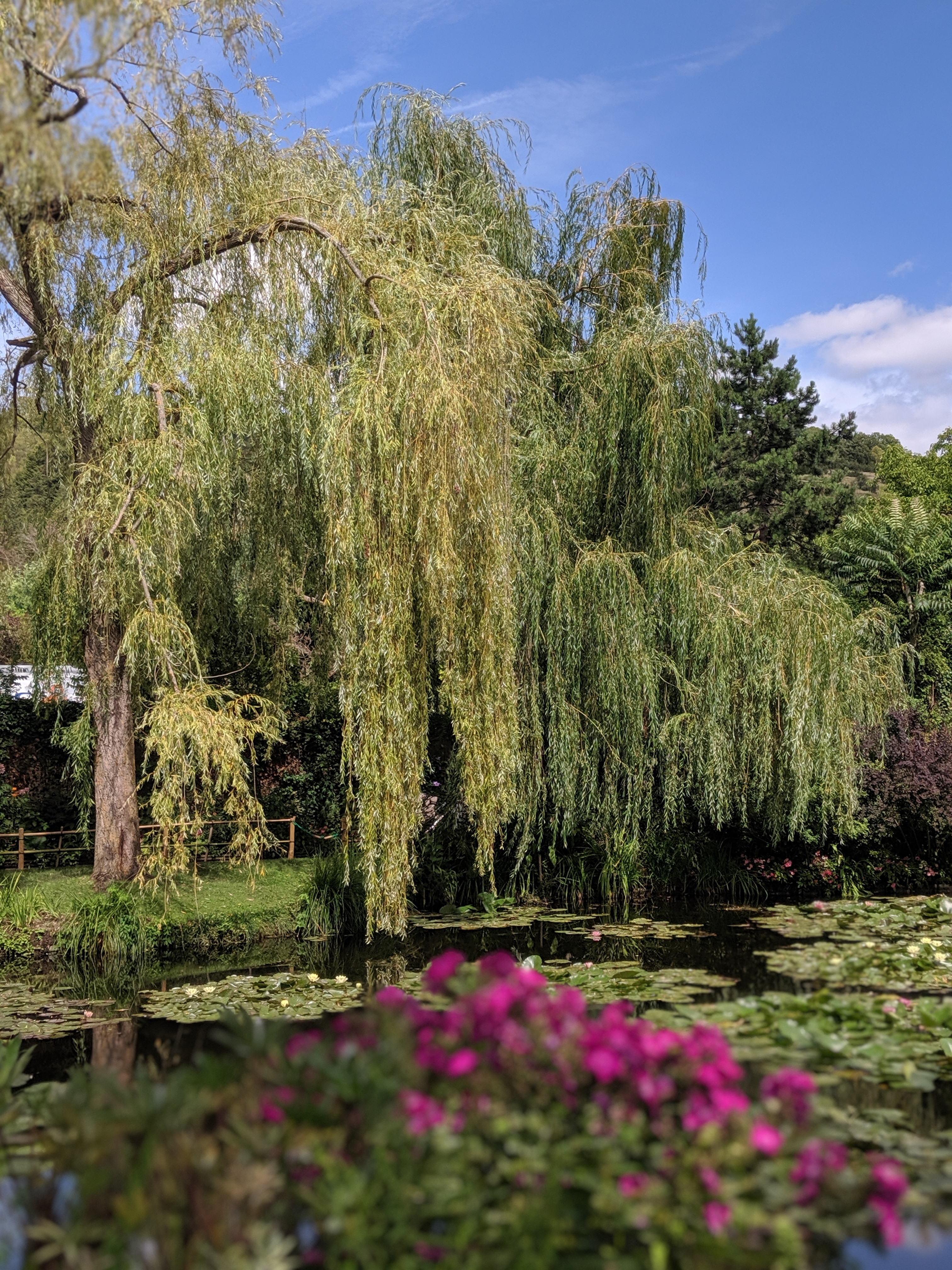
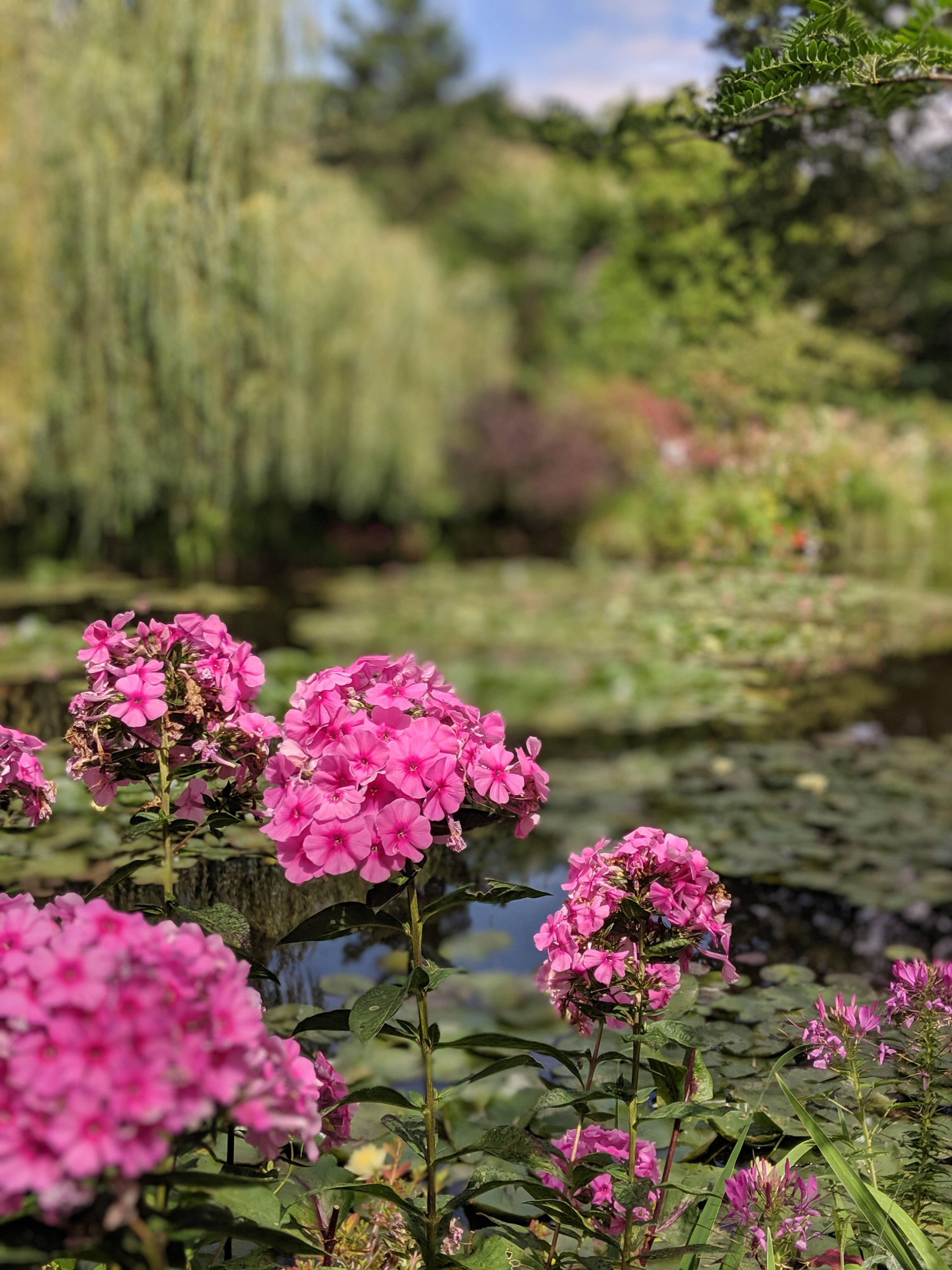
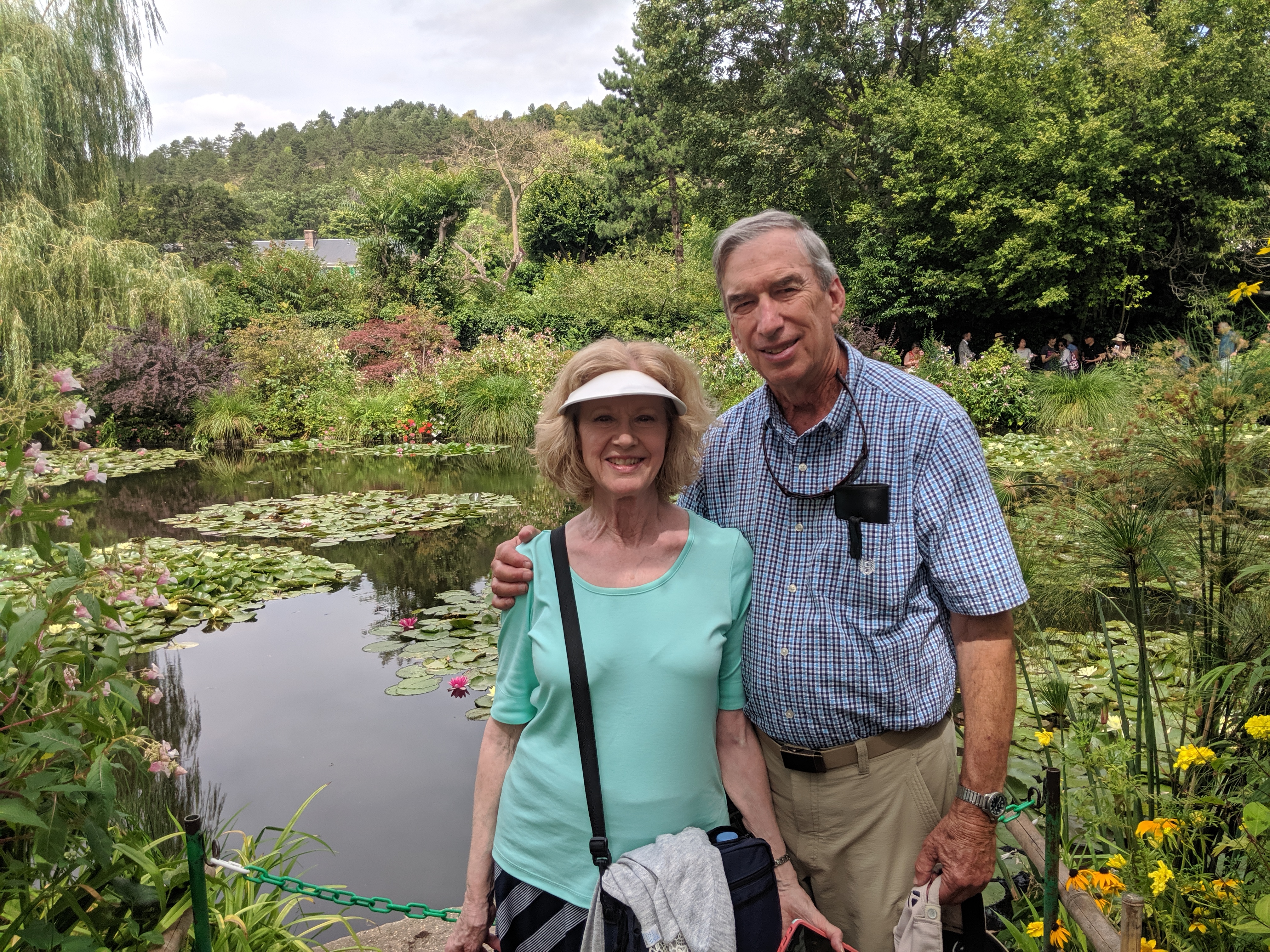
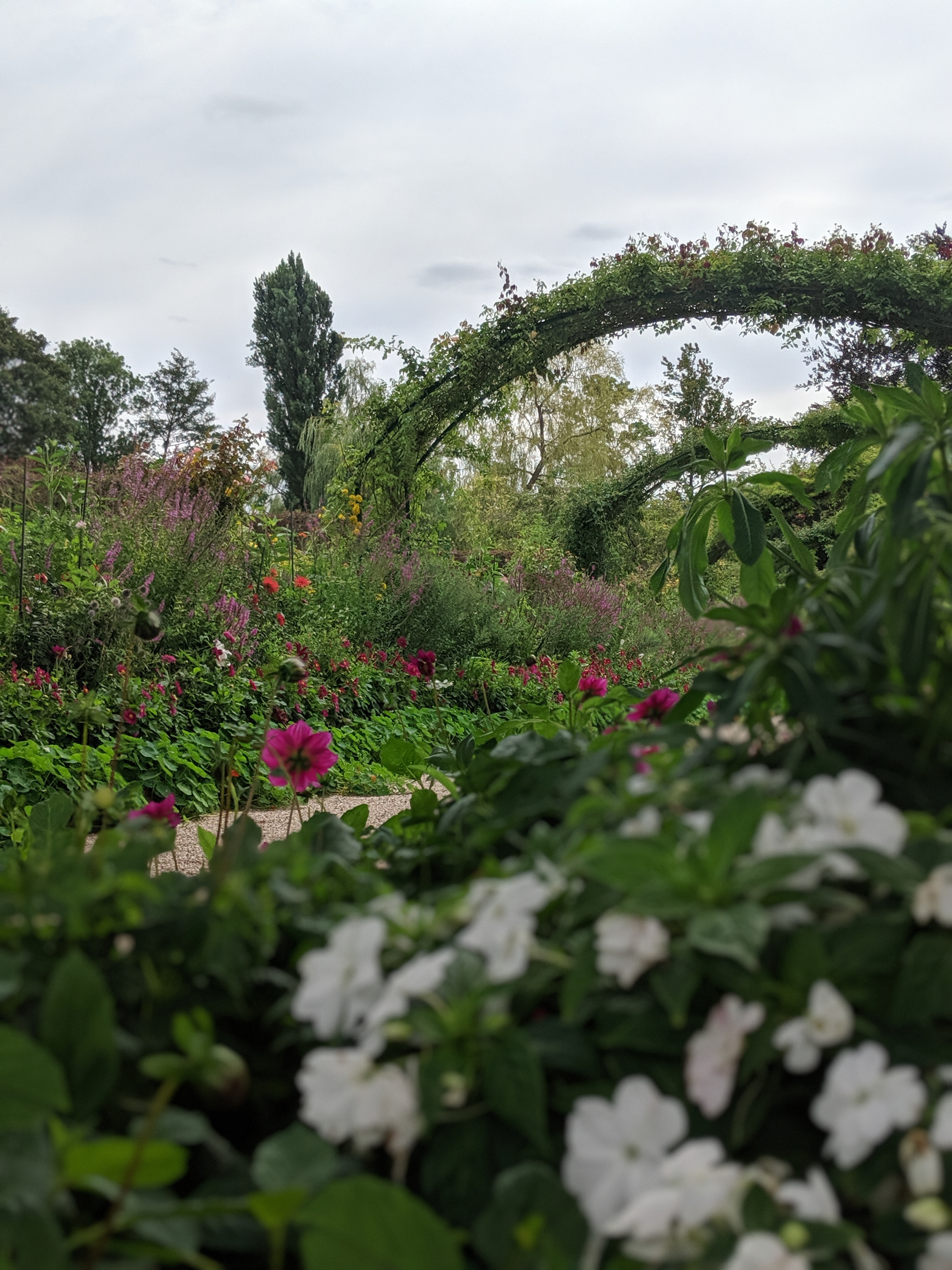
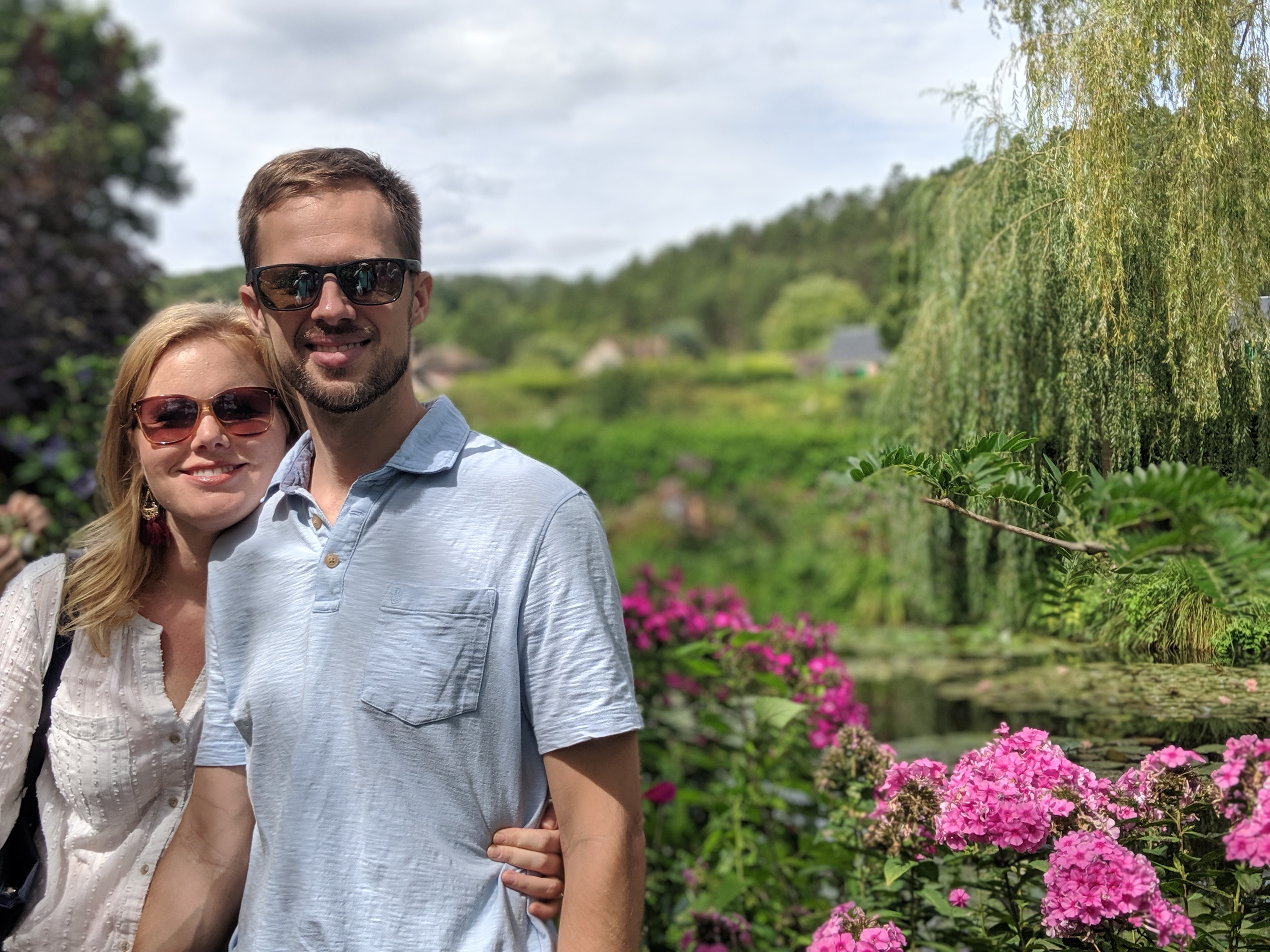

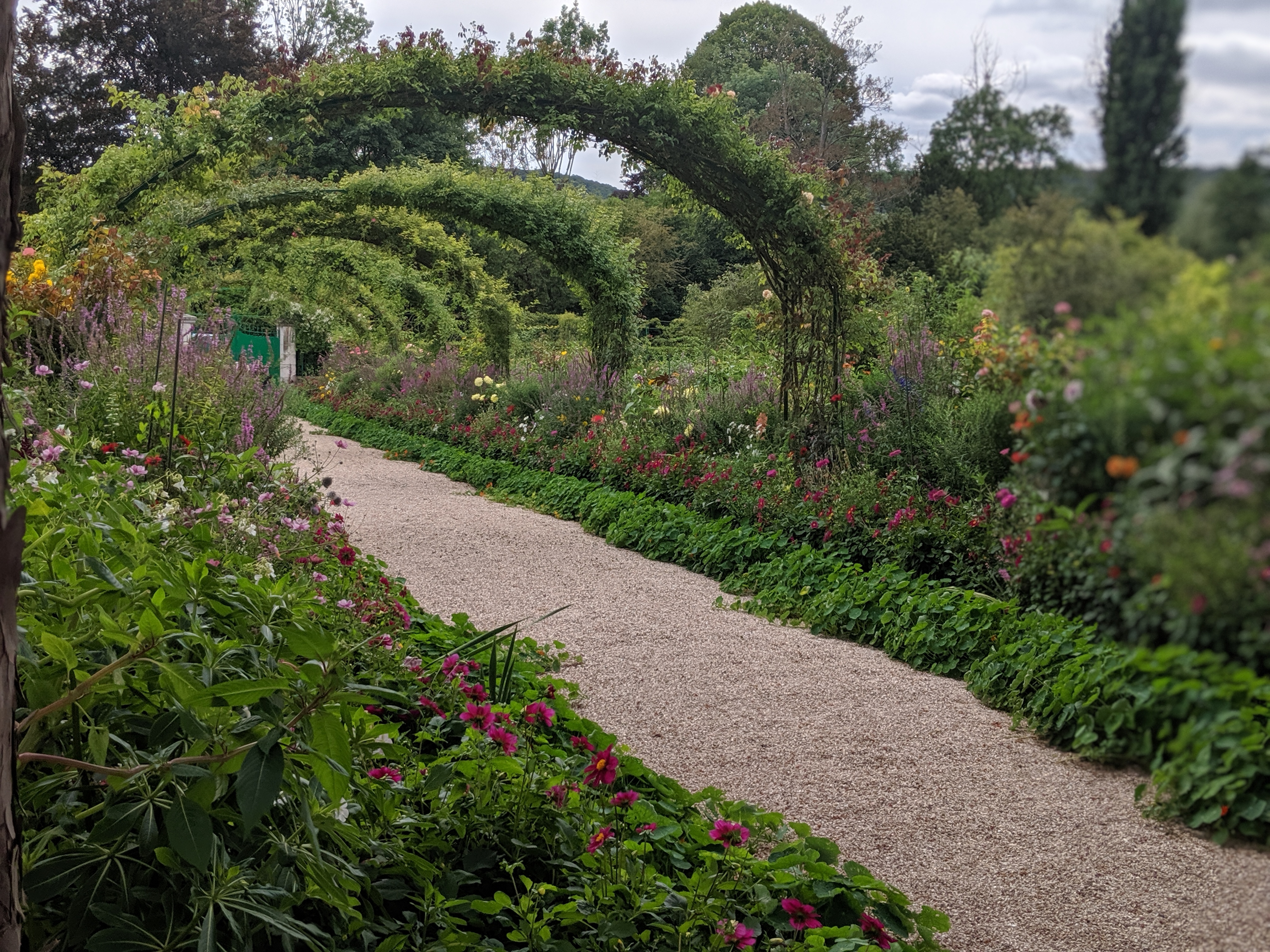
The peace and quiet of the place, however, was marred by the fact that the paths were literally three-deep with tourists. There was no way to wander or pause or drink it all in without inconveniencing the people behind you. I can handle crowds in museums and big sights; it’s not fun, but you come to expect it. In a garden, however, the overcrowding felt much more incongruous and invasive. It was still beautiful. I’m still glad we went. But we decided to skip the house and we didn’t stay as long as I would have otherwise wanted. It was a wonderful place, but on that day at least, nothing like the haven that Monet had found and painted.

 Wonder and Wander